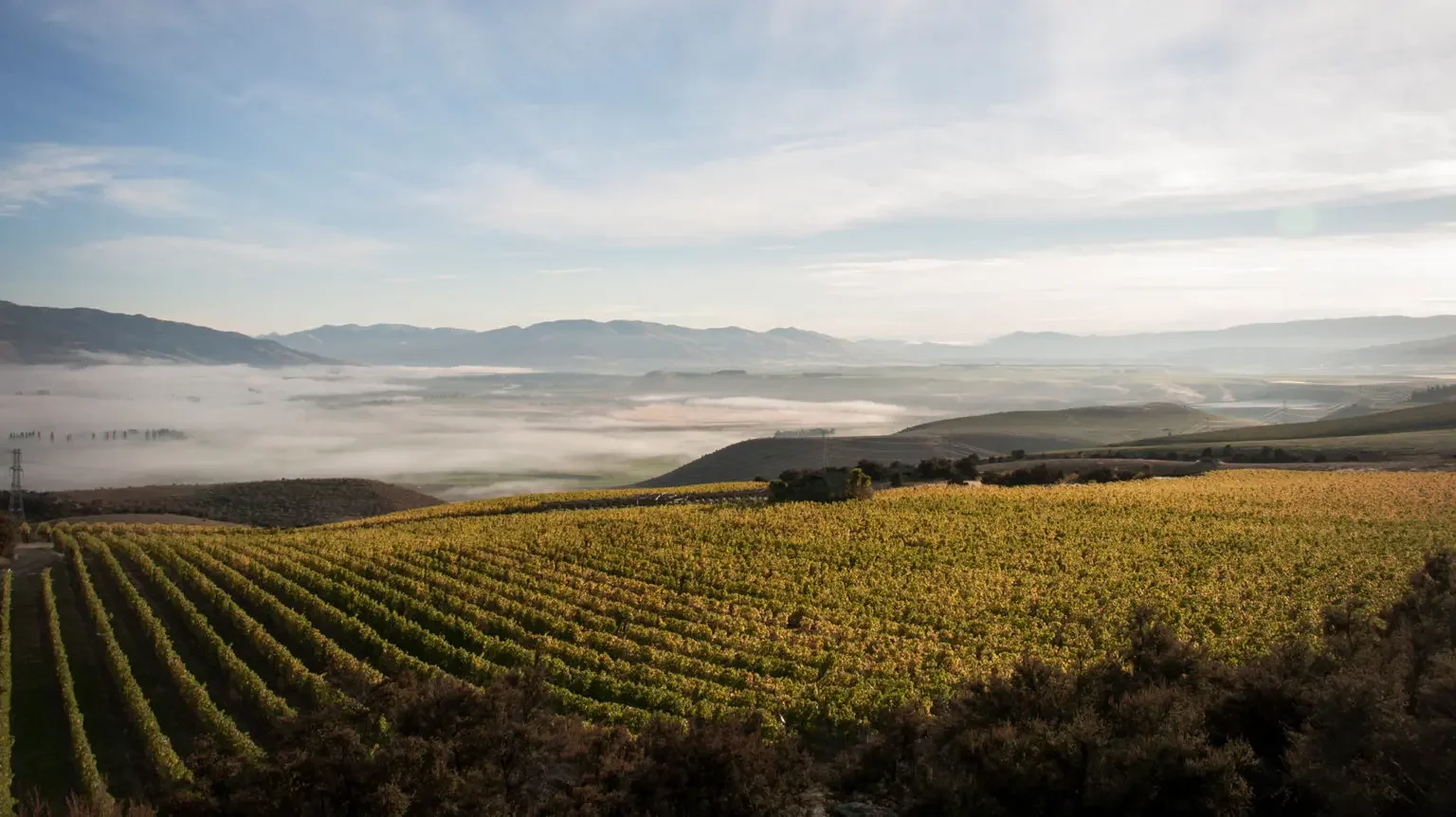
Harnessing the power and altitude of one of Central Otago’s warmest sub-zones, Prophet’s Rock brings European sensibility to translating Bendigo’s sweeping landscapes. These are widely regarded as some of the top wines made in New Zealand.
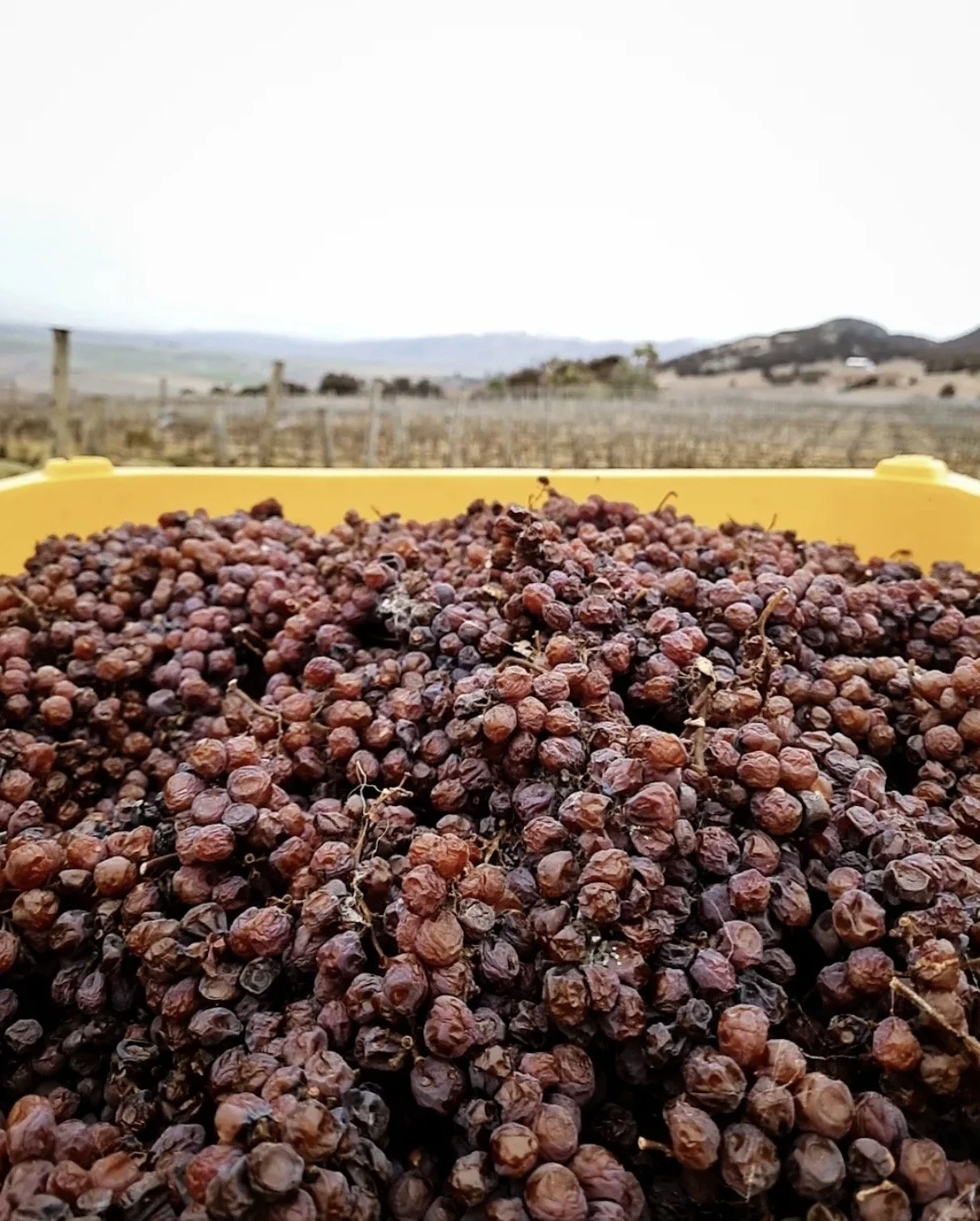
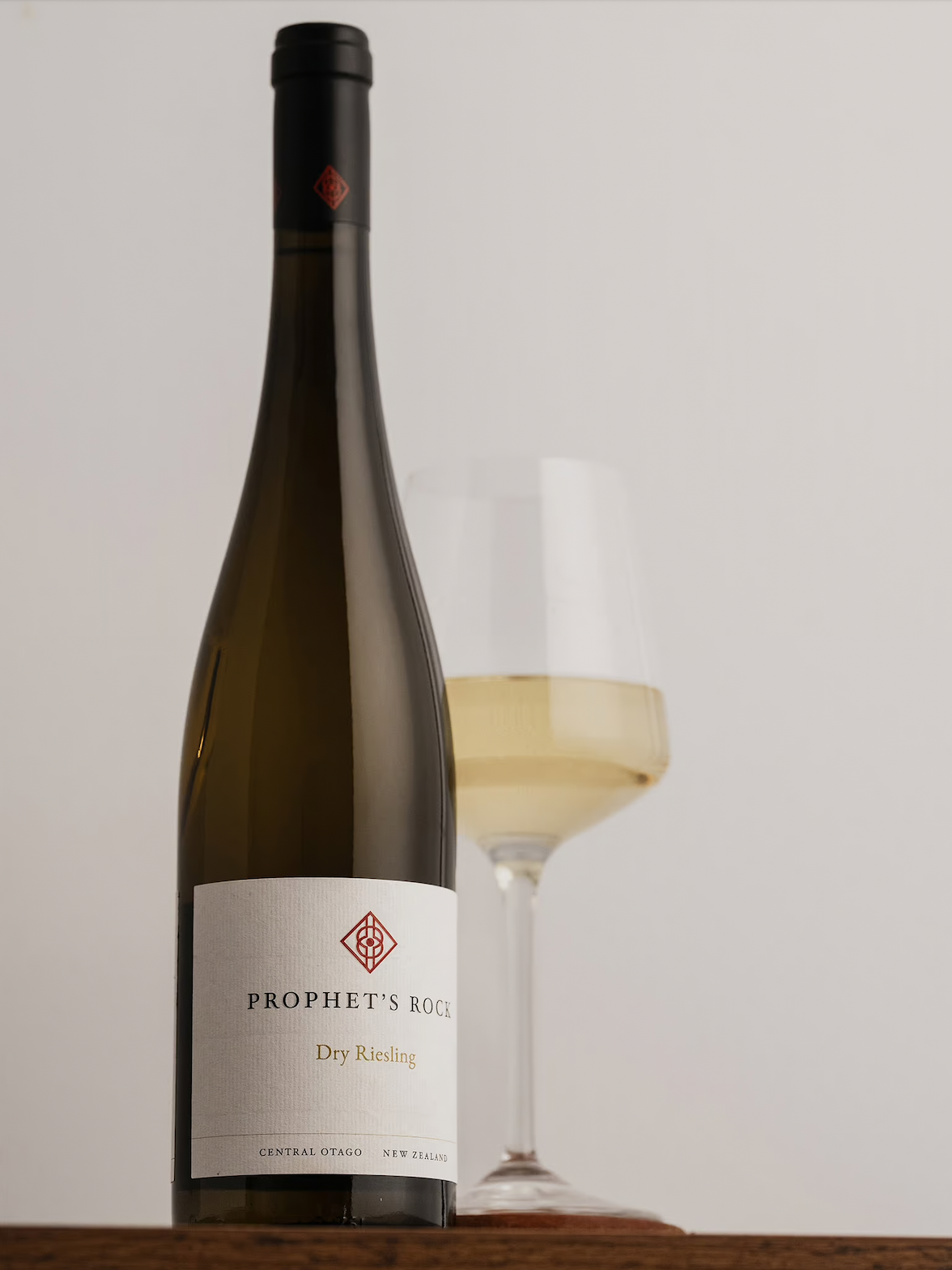
Prophet’s Rock was legendary even within the local New Zealand community whilst I was living there in 2016-17. Since 2005, winemaker Paul Pujol has established himself as one of Central Otago’s finest interpreters, guiding three distinct vineyard sites into a remarkably cohesive range. He leads a small team in growing and crafting exceptionally pure and long-lived wines, including aromatics (Riesling, Pinot Gris), Chardonnay and Pinot Noir. There are also small plots of further aromatics, Gewürztraminer and Muscat, coming online this year. Though mostly made in dry styles, Paul also makes an elusive Vin de Paille (“the Notorious VDP”) which is 100% Pinot Gris and consistently takes over a year to ferment.
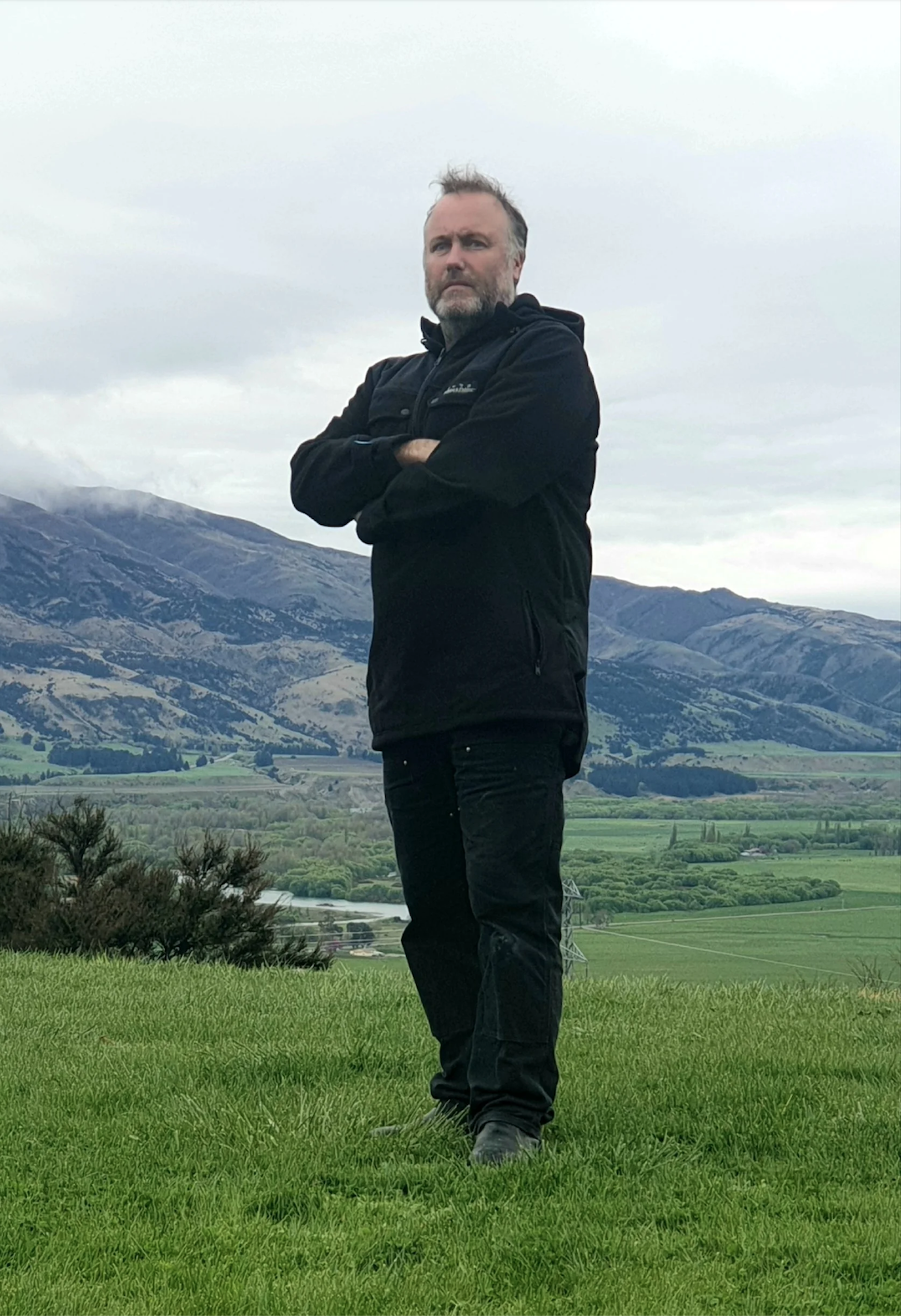
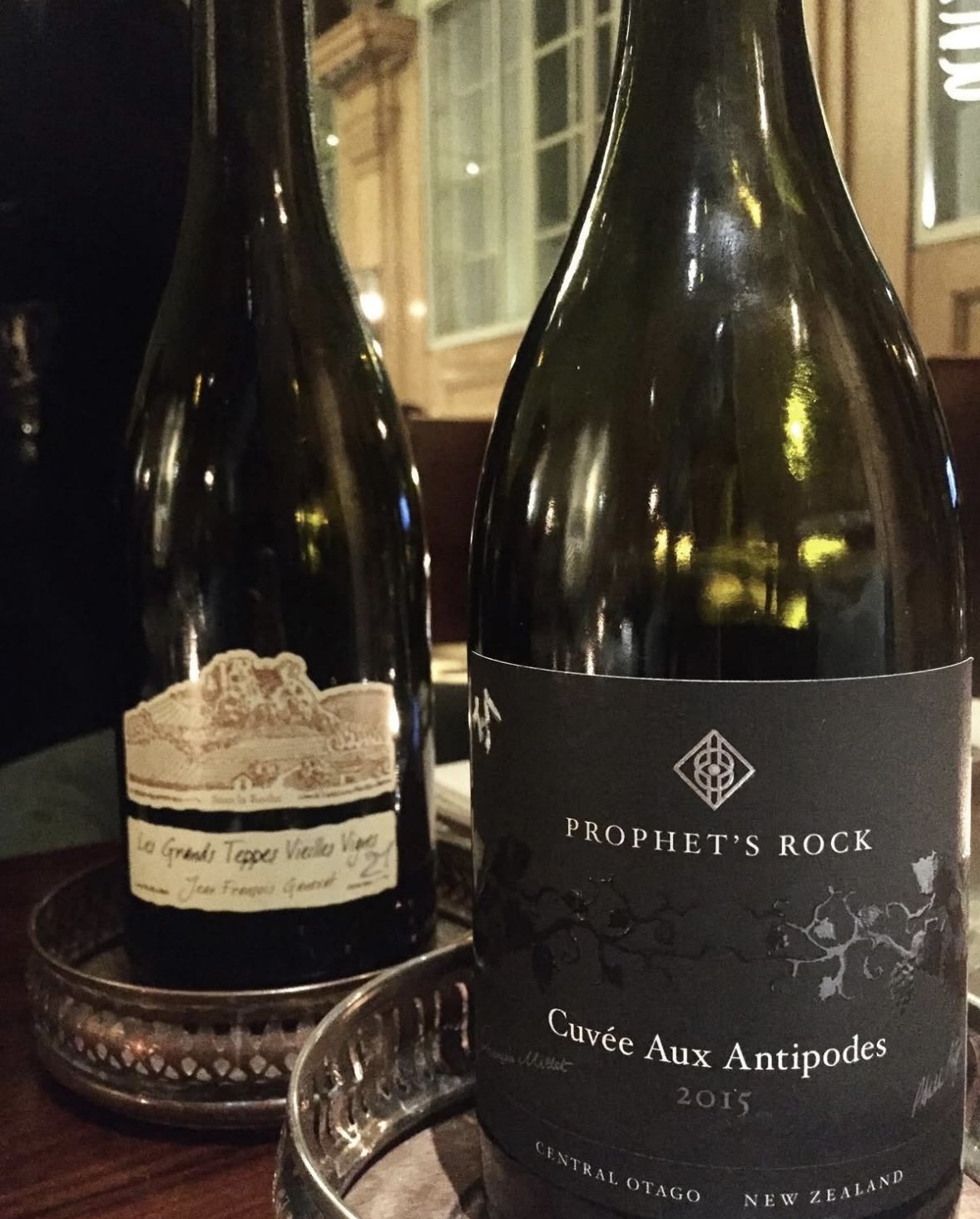
Notably, the Prophet’s Rock grape varieties are emblematic of the historic French regions of Alsace and Burgundy. It’s no coincidence that these regions are where Paul spent his most formative winemaking time prior to taking his current post in Otago. His résumé includes significant positions at domaines in Alsace – as the first non-family winemaker (since 1795) at the multi-generational Keuntz-Bas – and also in Chambolle Musigny. Here, he befriended the legendary François Millet, who now joins Paul in NZ each year to create the iconic and highly coveted Cuvée Aux Antipodes. Upon returning to New Zealand in the mid-2000s, Paul made an early connection to the success of these varieties in Bendigo.
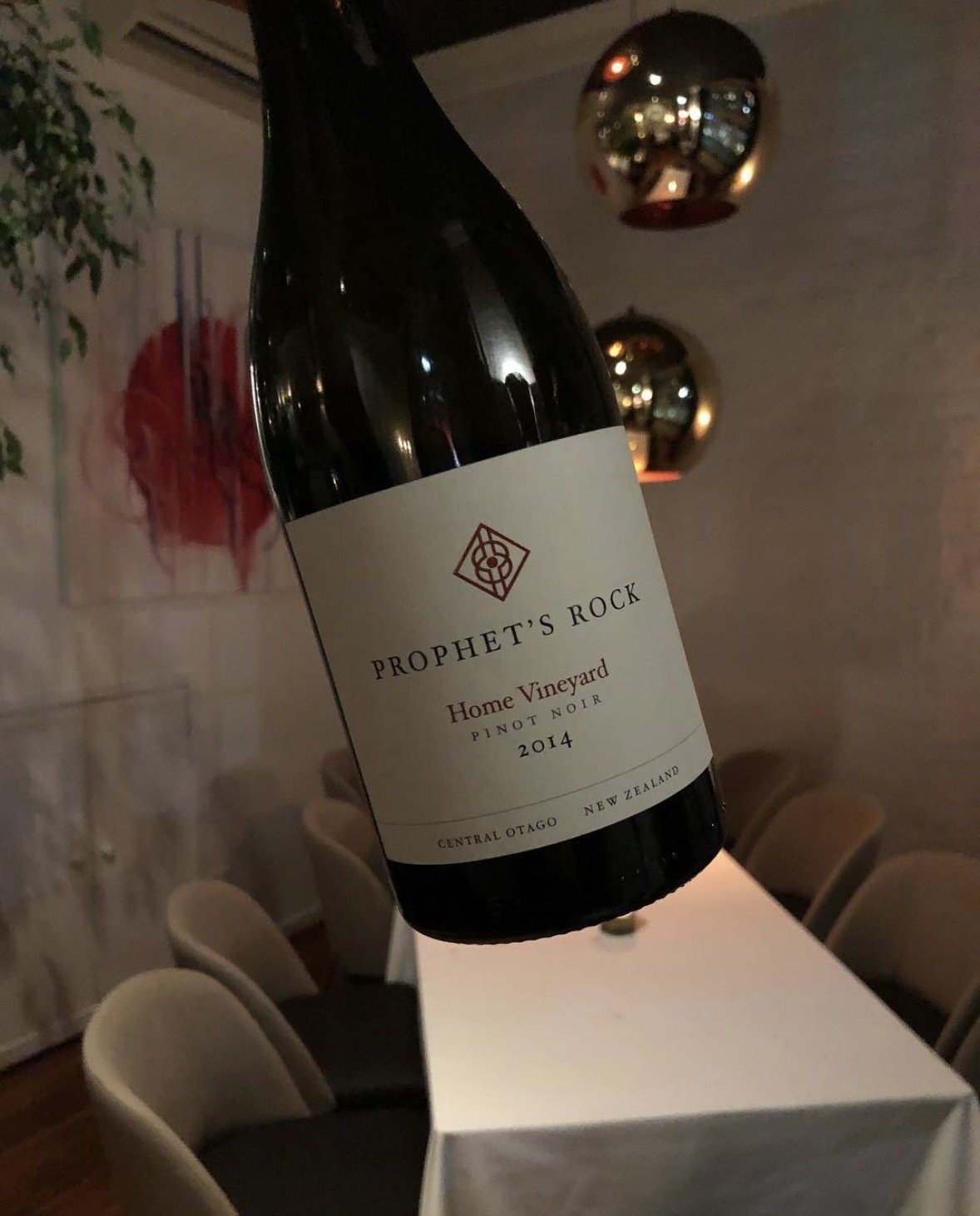
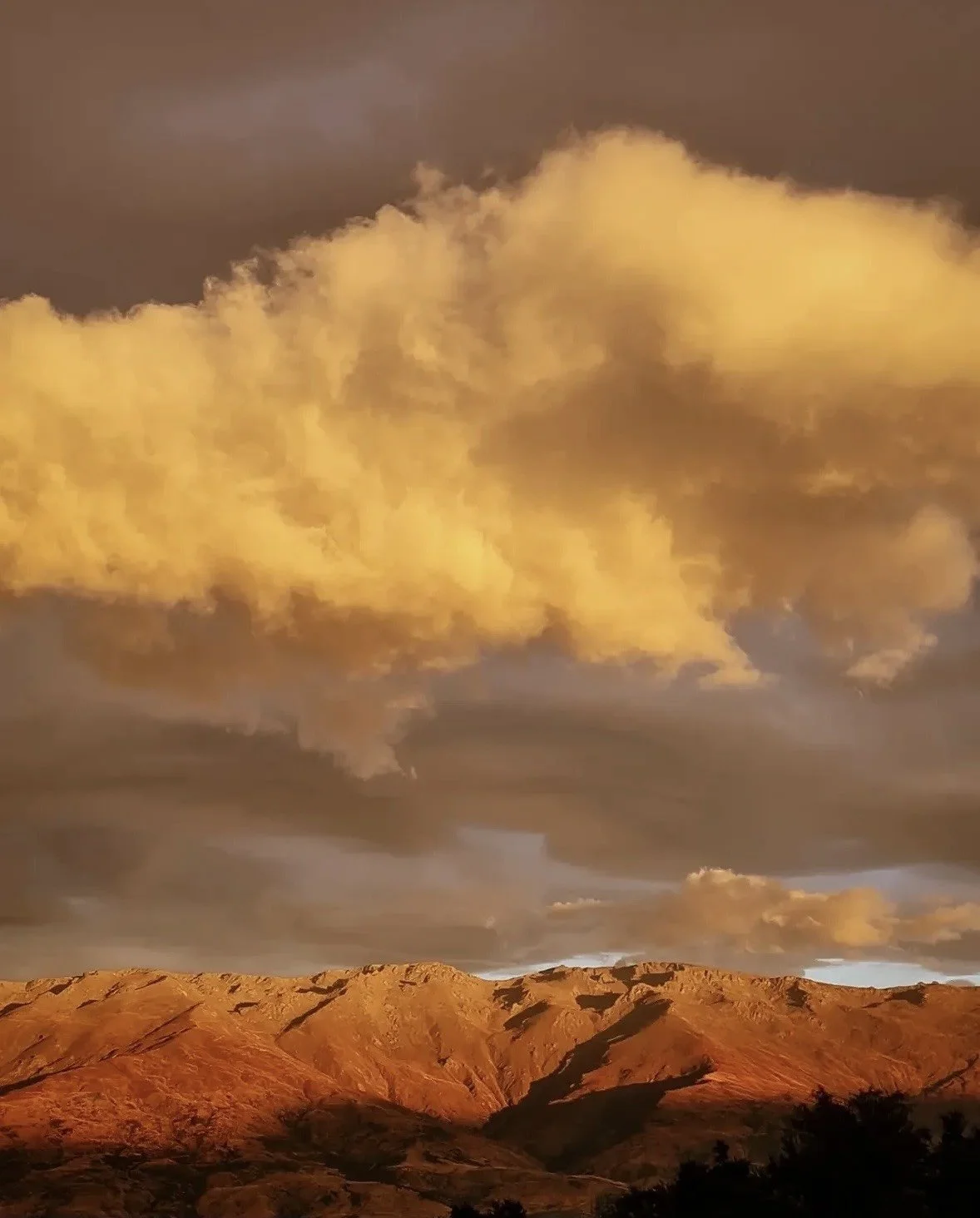
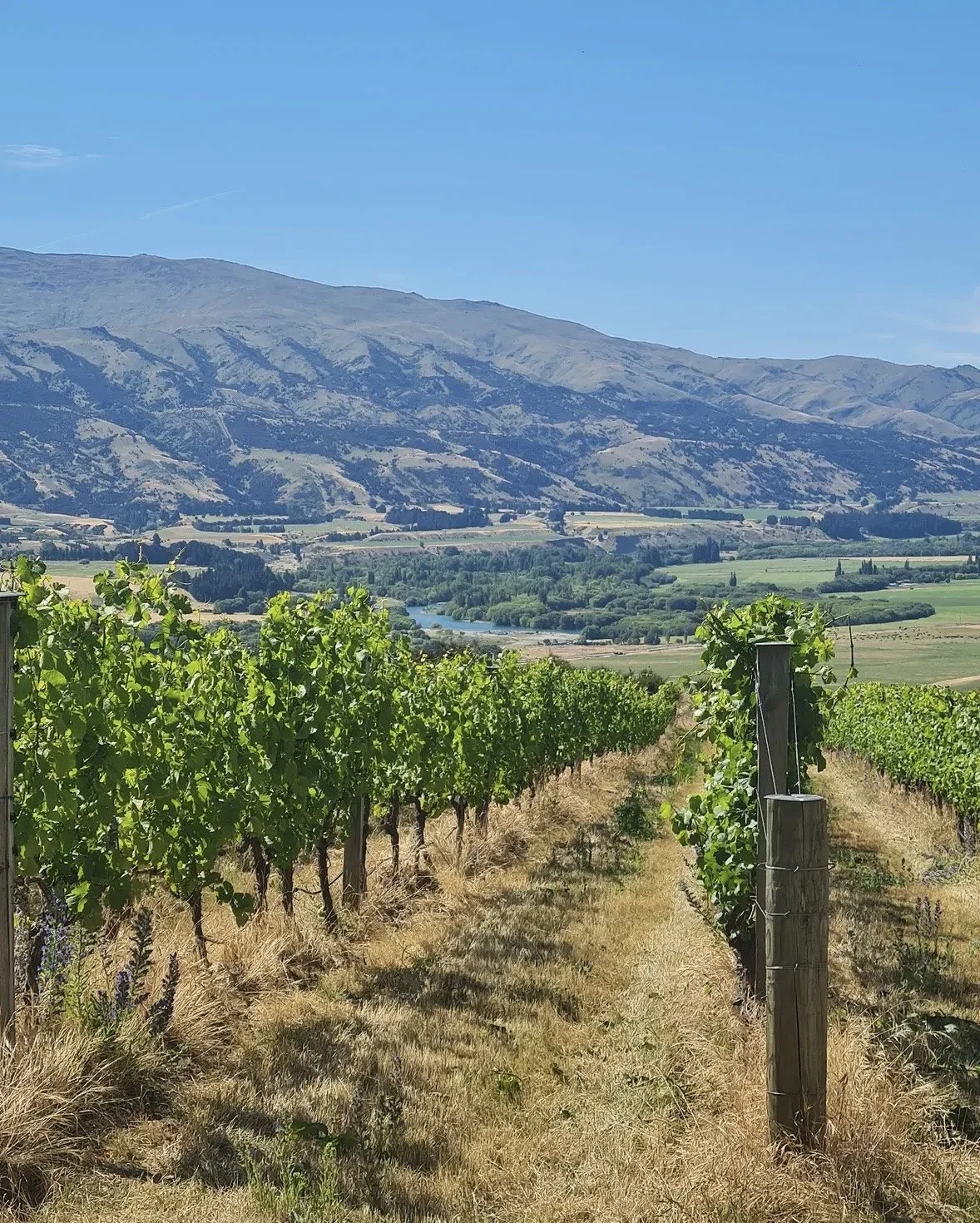
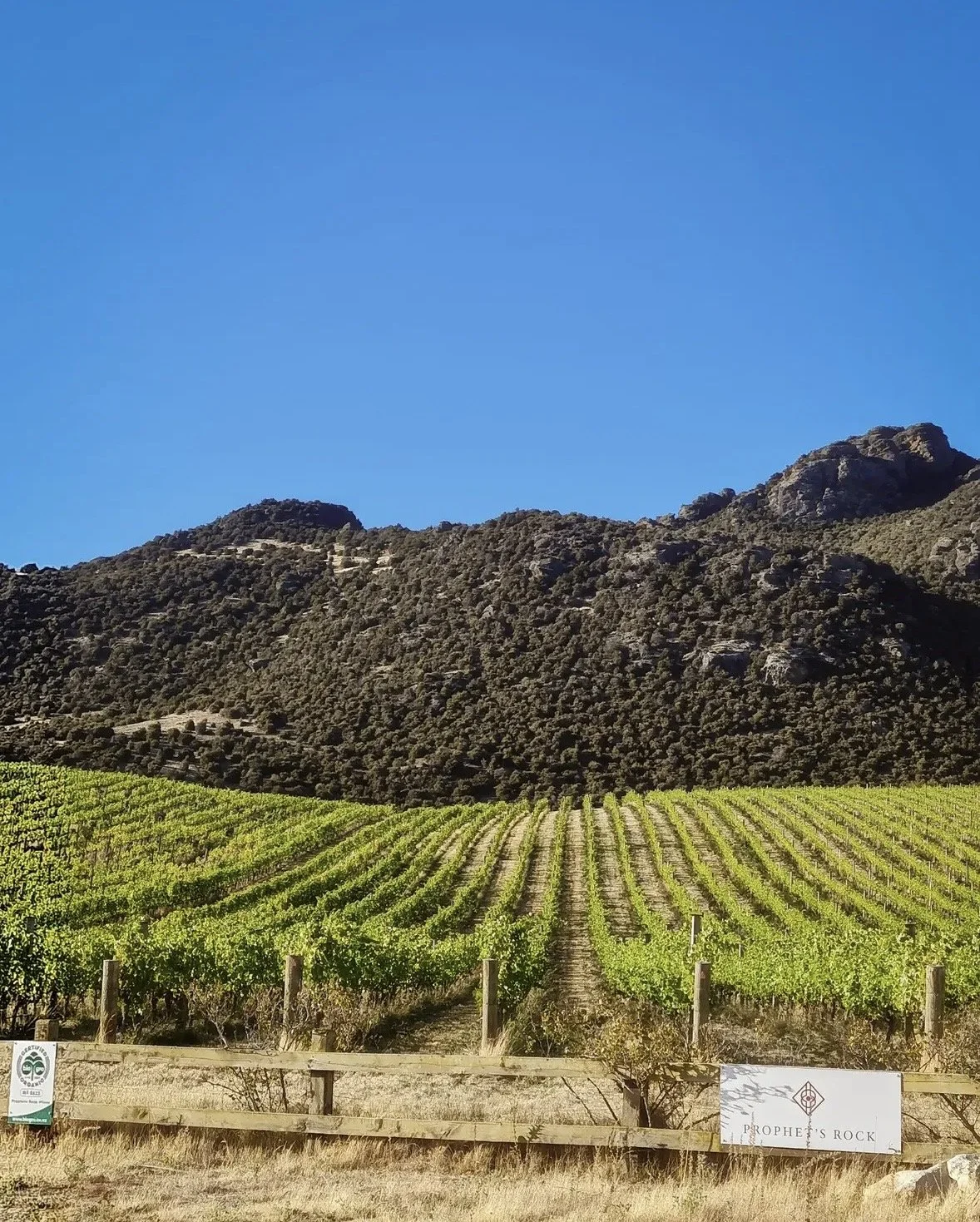
Central Otago is a dramatic place to grow vines. It's the world's southernmost major wine region, sitting at the 45th parallel beneath an intense continental climate. Summer days are long and hot, but nights cool rapidly, preserving acidity and fragrance. The region is divided into six distinct sub-regions, each shaped by its own combination of altitude, aspect and soils. Sheltered by the Southern Alps, and the Pisa and Bendigo Mountain ranges, Bendigo is one of the warmest corners, capable of not only world-class Pinot Noir, but also Chardonnay and the aromatic varieties that Paul has become so closely associated with. In the Prophet’s Rock vineyards, the result is fruit with remarkable concentration, but rarely excess: a hallmark of the region at its best.
Within the context of this climate, if there's a common thread through the Prophet’s Rock range, it's restraint. These aren't wines chasing power or extraction, despite the generosity that the climate is capable of. Instead, they're defined by clarity, precision and layered complexity. The pinot noirs combine Bendigo's dark fruit and mineral backbone with remarkable finesse, while the whites – particularly riesling and pinot gris – have become benchmarks for their purity, texture and capacity to age.
The estate's three organically-farmed vineyards are microcosms of Bendigo's dramatic landscape, each offering its own distinct expression of site. Even within a single vineyard, individual blocks are bottled separately where they warrant it, underscoring the remarkable nuance and variability that exist across the estate.
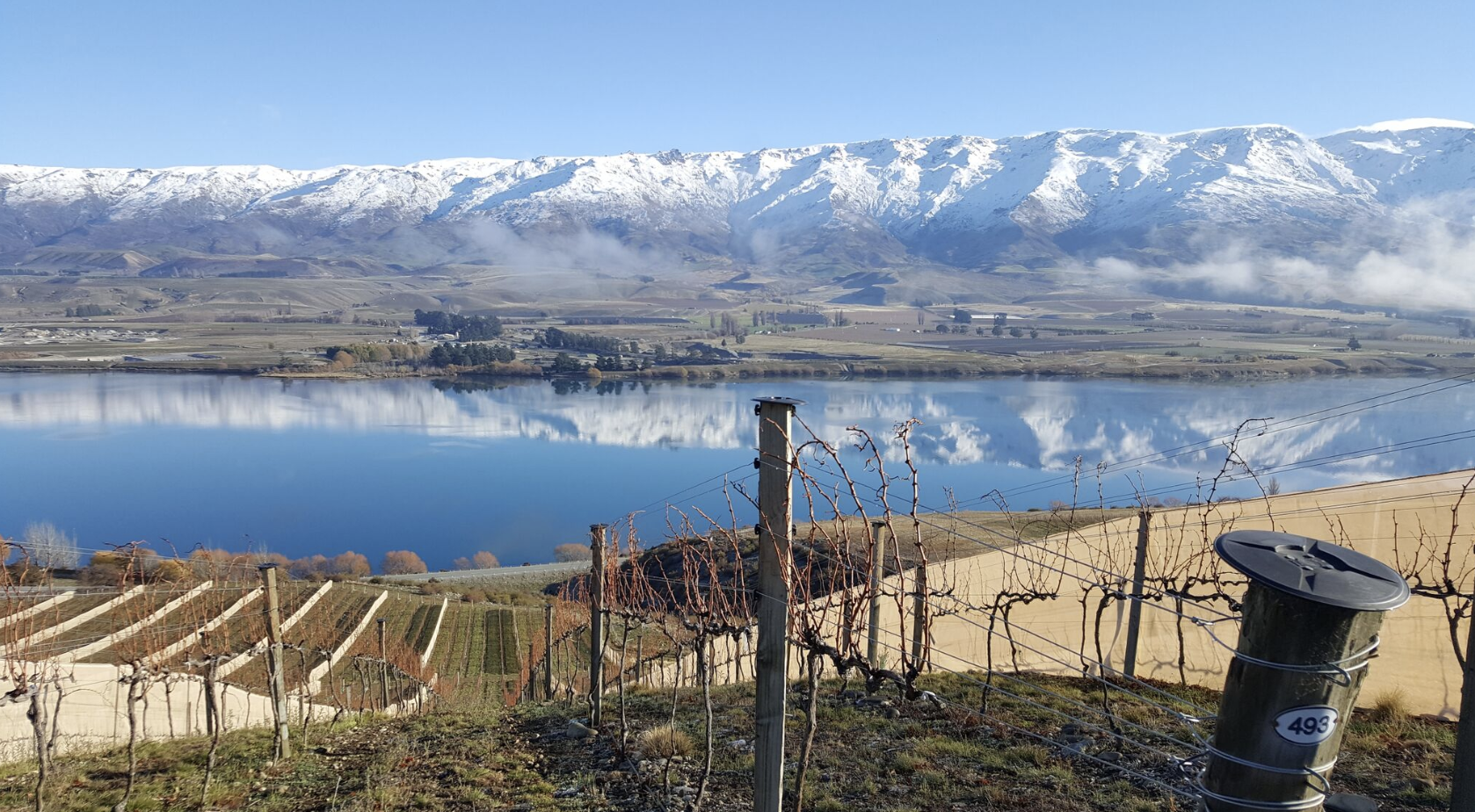
Rocky Point Vineyard after harvest, looking west to Lake Dunstan and the Pisa Mountains.
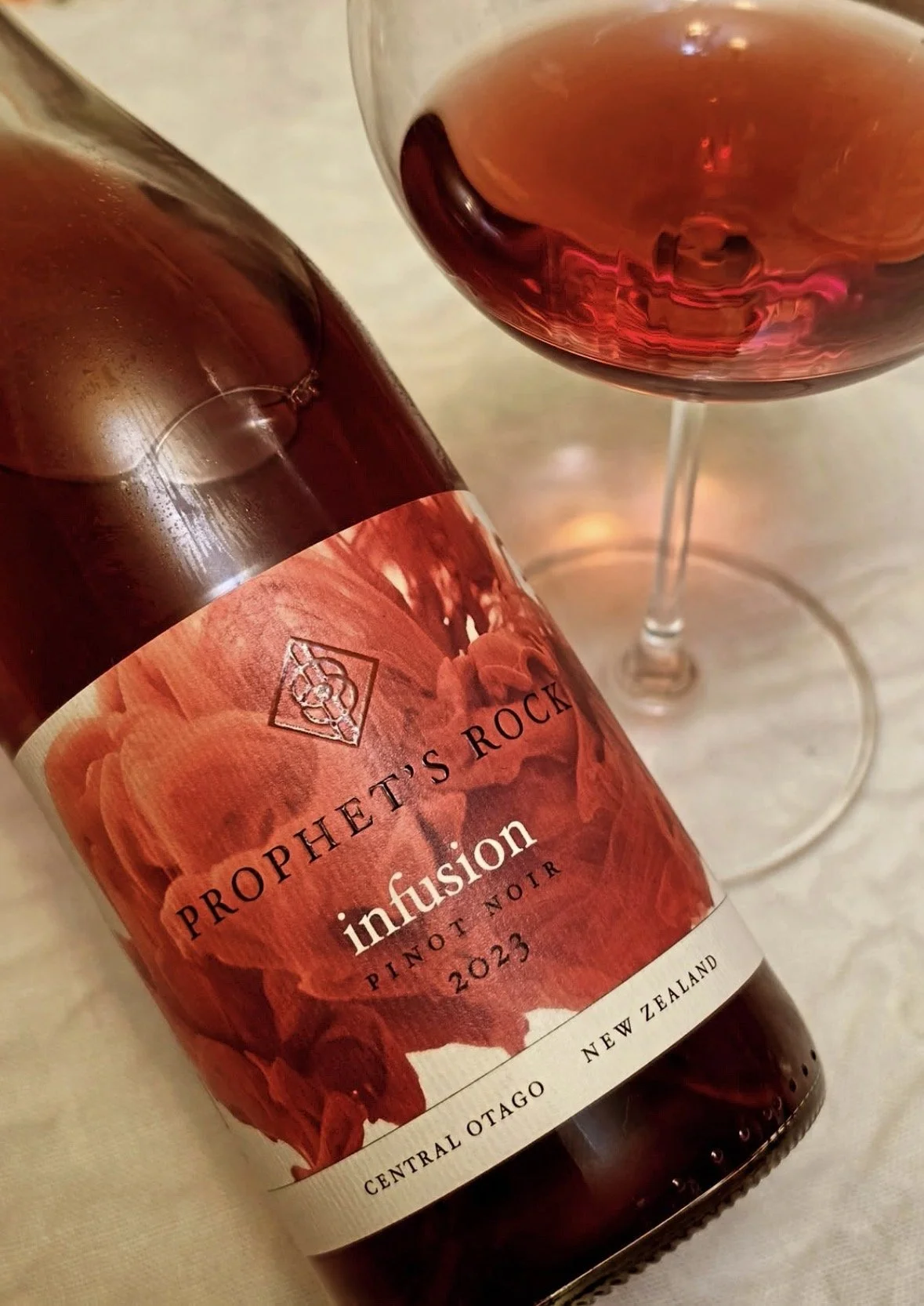
Perhaps the most singular is a small block within the Rocky Point vineyard, where Pinot Noir vines grow through only a few inches of topsoil, their roots somehow clinging to the shallow rock face of fractured schist below. John Szabo MS has described this block as though “grape vines are growing on the face of the moon.” To respect the tiny, delicate berries this site produces, Paul vinifies them using an exceptionally gentle infusion rather than traditional extraction, giving rise to the aptly named Infusion bottling – the introduction to his range of Pinot Noirs.
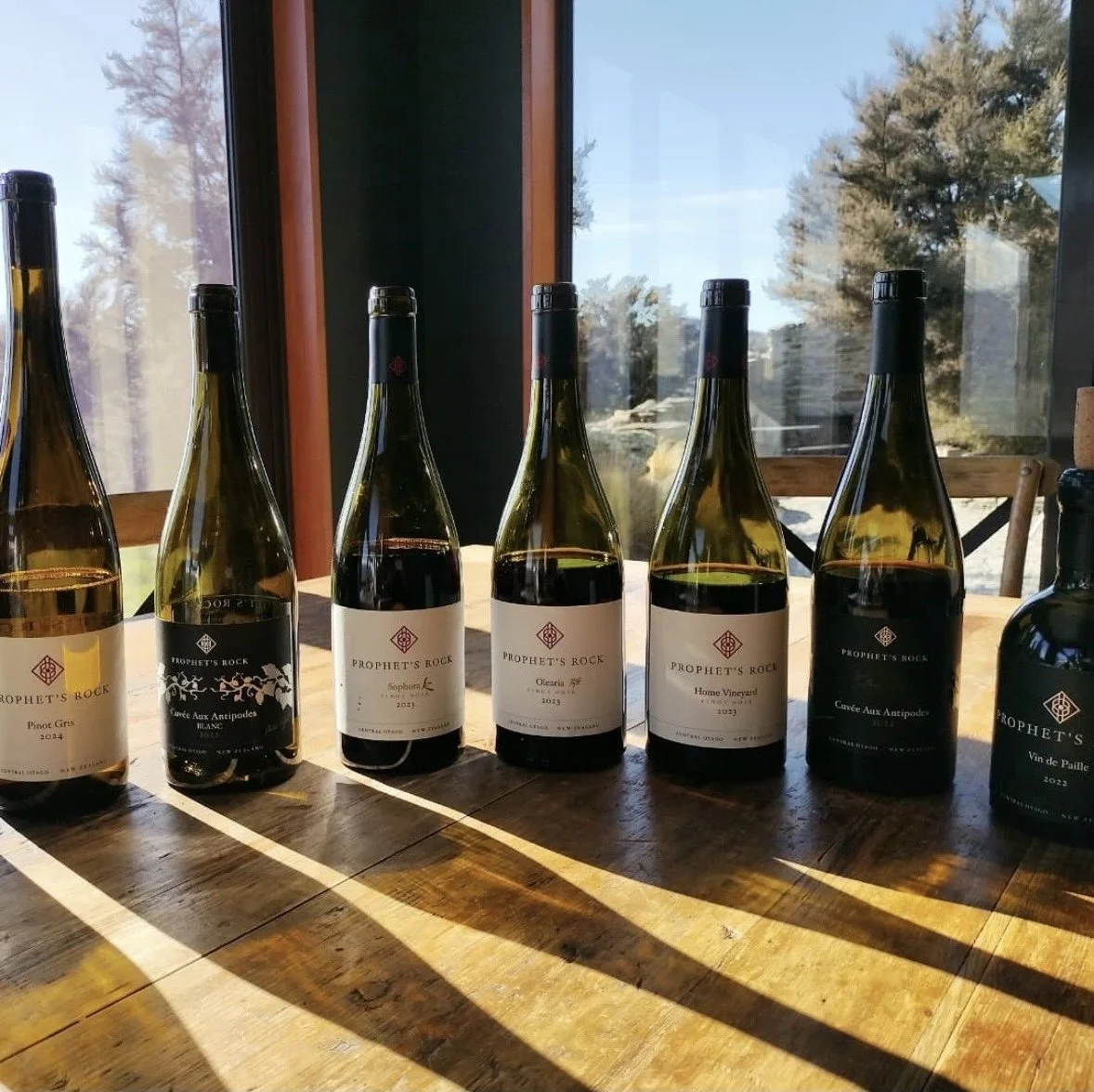
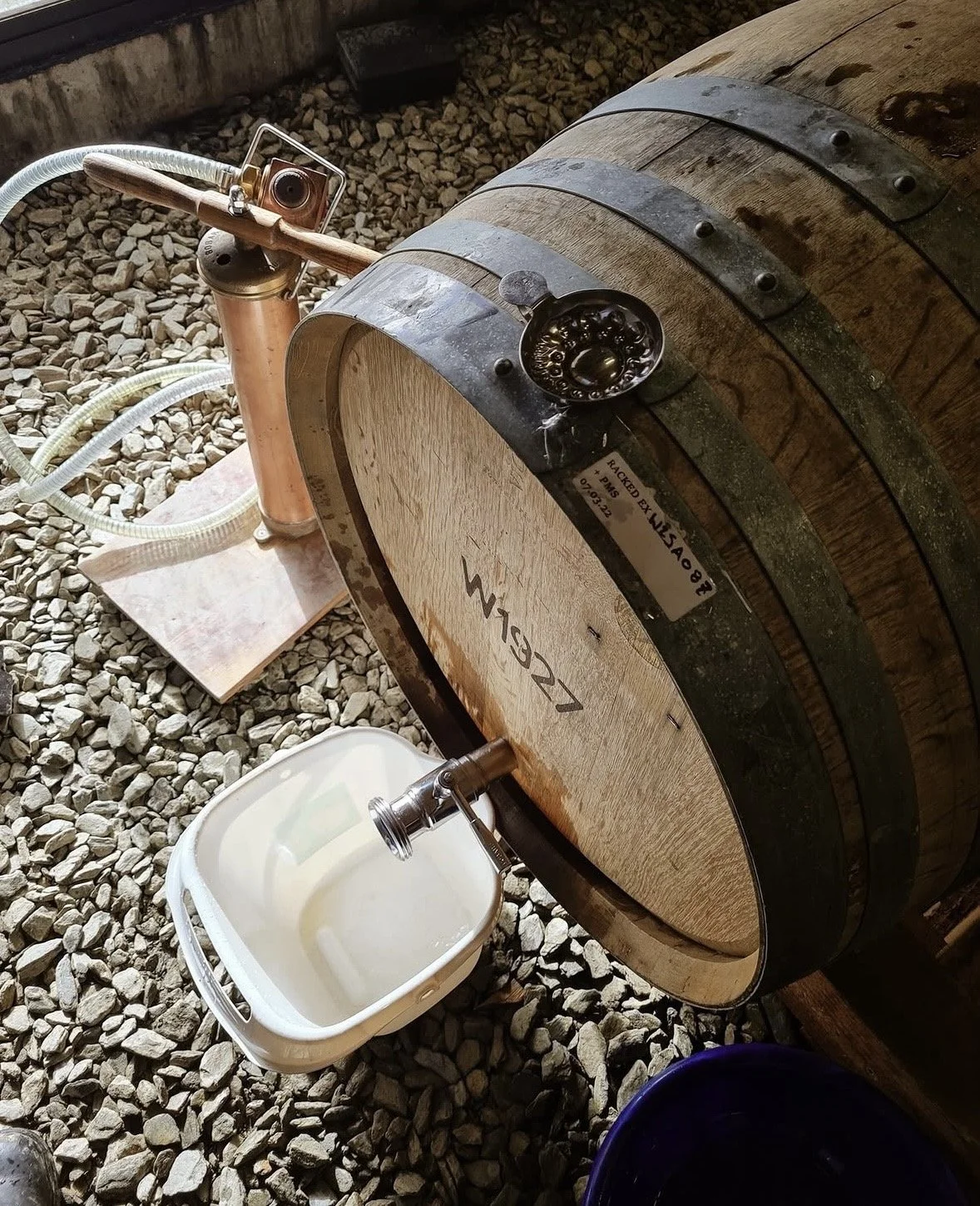
Across the board, emphasis is put into growing. In the cellar, intervention is minimal. Harvest and sorting is all done manually, fermentations are all spontaneous, and aging vessels respect the provenance of the grapes.
In all, I’ve personally sought these wines out in the farthest corners of the world, because they’re absolutely delicious, but also because they’ve shaped my own understanding of originality and purity. Rather than recreating European styles, Paul has learned from some of the world's oldest wine regions to better understand the singular terroir of Central Otago. The result is something entirely its own: wines that have earned admiration from Master Sommeliers and collectors alike, and that comfortably sit among New Zealand's – and the world’s – finest. It's an honour to tell their story in our little corner of the world.
Prophet’s Rock: In the Vineyards
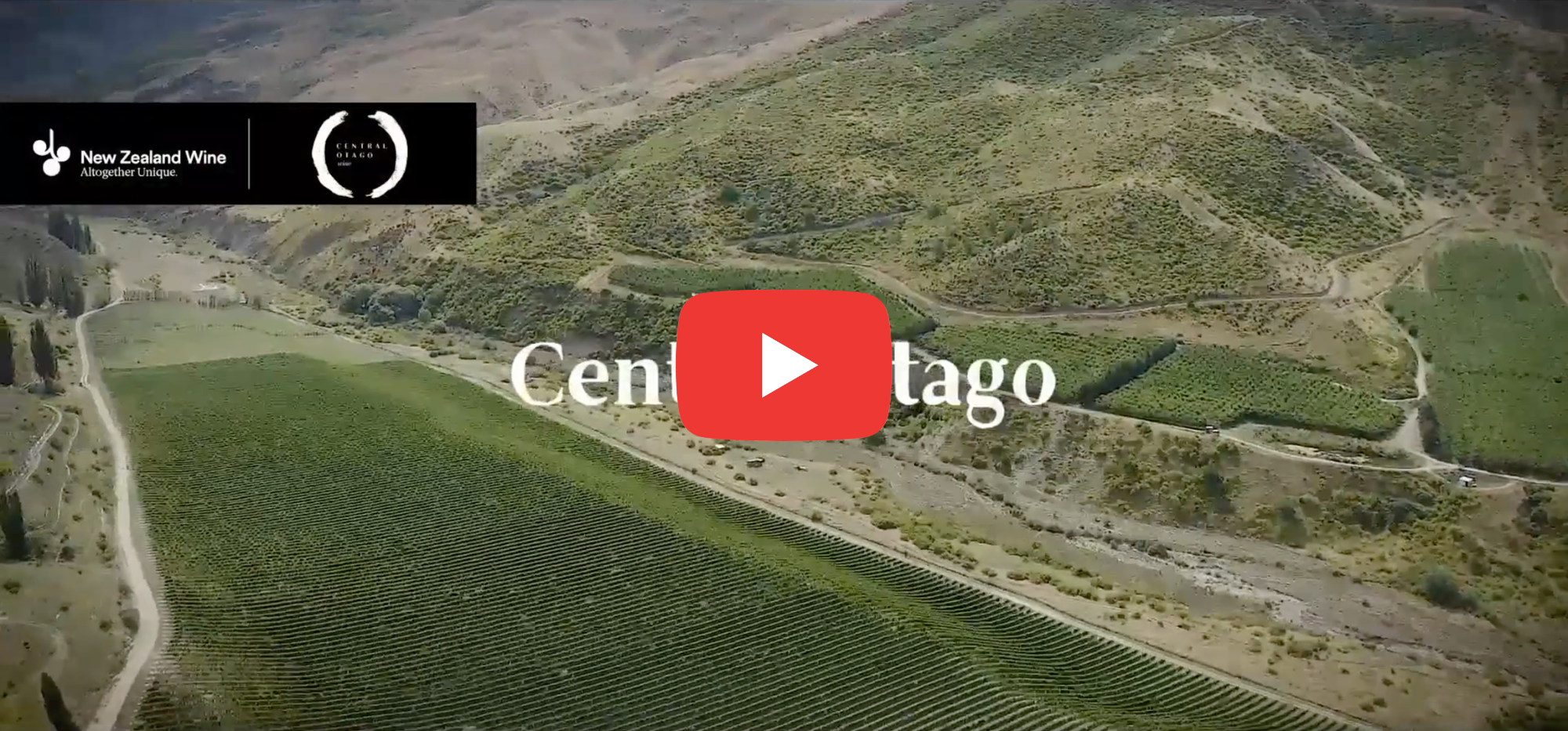
This video provides an amazing snapshot of Central Otago’s sub-regions! Skip to 2:56 for a peek into Bendigo. C/O New Zealand Wine.
Rocky Point Vineyard
Bendigo (226-331m above sea level)
This site is planted on a sweeping, north-facing slope that rises up from Lake Dunstan, boasting some of the steepest slopes in the region. Soils are stony with lots of schist. They’re rough, shallow and well-draining, which means that it stores the heat from each day through nighttime, ensuring some warmth during the significant temperature cooling that can happen at night in Central Otago. Planted to Pinot Noir, Riesling and Pinot Gris, which all develop rich and concentrated grapes, save for the outcrop with just a few inches of topsoil. This is where Pinot Noir vines cling to the schist rock face, whose grapes comprise the Infusion bottling.
Kopuwai Delta Vineyard
Bendigo (225m above sea level)
This is a very special site, situated on a terrace that is bound by the Pisa (western) and Bendigo (eastern) mountain ranges, above the Clutha River, which runs down from Lake Wanaka into the top of Lake Dunstan. According to Paul, Clutha is “New Zealand’s largest volume river, so the Kopuwai Delta Vineyard is named after its taniwha (water spirit/essence/strength), named Kopuwai, and its place looking down on the Delta. The Maori legend for Kopuwai is one of power – and sometimes menace – that one would do well to respect, given the impressive force of this river. Here, Pinot Noir, Pinot Gris and Chardonnay are planted on low-vigour, well-draining soils that are comprised of schist, lies, alluvial and rounded river stones. Together, this site creates wines with exceptional purity and length.
Home Vineyard
Bendigo (320-400m above sea level)
Prophet Rock’s homestead vineyard sits on a north-facing terrace high above the winery. This is where its name came from, too: a 150-year-old hut sits here as one of the last reminders of a gold rush that swept the region in the 19th Century. This site boasts steep slopes with dramatic sun exposure above the cloud line. Soils are also very unique, with schist and quartz, clay and – notably – a sweep of chalk that runs through the entire vineyard about a meter deep. This alkaline chalk influences nutrient uptake in the vines, while the water-retaining clay helps to cradle the Pinot Noir here. Also planted are blocks of Pinot Gris, Chardonnay, and small amounts of Muscat and Gewürztraminer.